Home Pest Control in New York: Compare and Decide
Request an estimate today
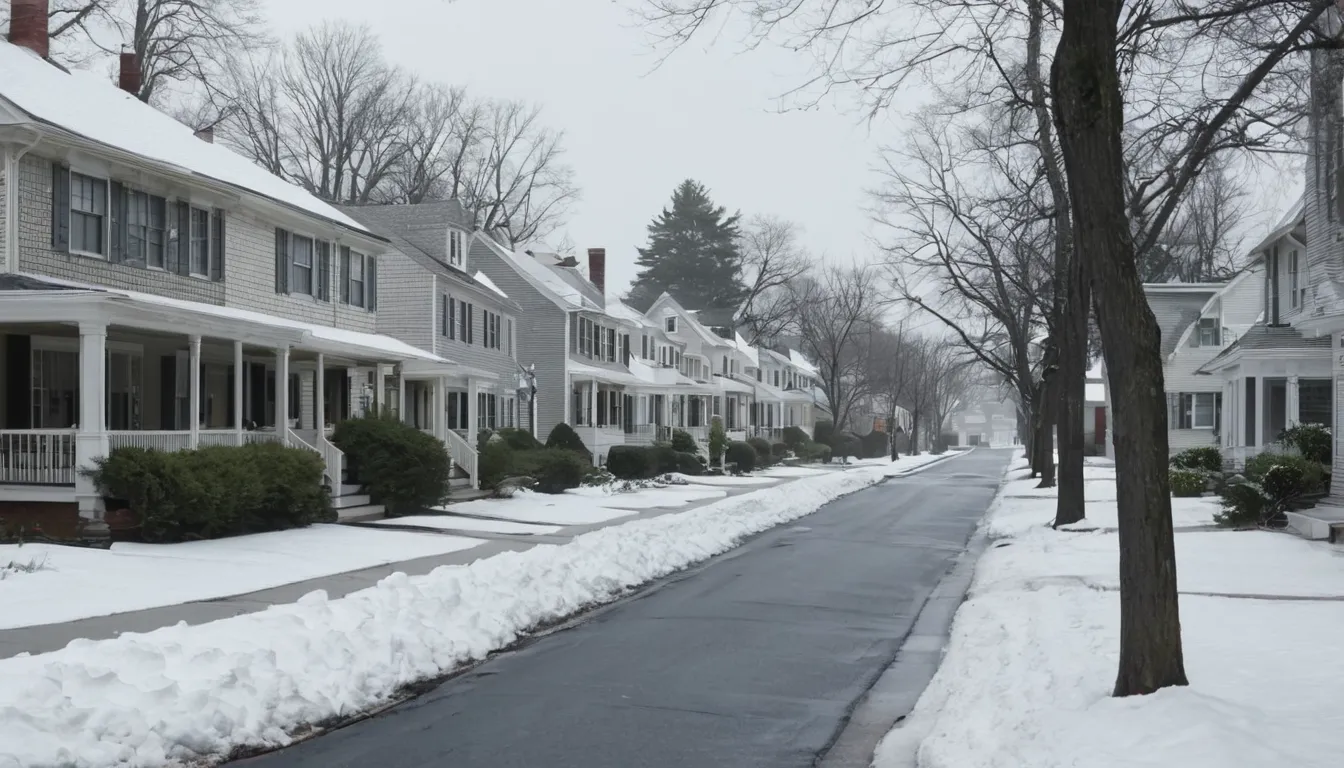
Spotting ants in the kitchen or hearing scratching in a wall is stressful. In New York, cold winters and spring thaw push pests toward warm, dry spaces inside homes. Similarlyaddressed Pest Control is a referral service. It does not do the pest work. It connects New York homeowners with independent providers in its network, so you can request estimates, compare approaches, and decide without pressure. Small signs matter, and acting early often keeps a minor problem from becoming a bigger repair.
Myths and facts about pests in New York
Some ideas sound sensible but lead to wasted money. Here are the ones homeowners repeat most.
- Myth: A clean home cannot get pests. Fact: Mice, ants and roaches follow food, water and warmth. Tidy houses get them too, especially older ones with small gaps around pipes and foundations.
- Myth: Hard winters kill everything. Fact: Snow and freeze-thaw cycles often push mice, rats and insects indoors. A basement or wall void can stay warm enough for them.
- Myth: Store-bought spray fixes it. Fact: Spray can scatter ants and roaches into new rooms. Do not spray around a nest you cannot see. A provider can look for the source.
- Myth: Termites announce themselves. Fact: Termite damage is quiet and hidden. Look for mud tubes, soft wood, or tiny wings near windows.
What providers in our network typically handle
The providers in our network are independent. Each one offers a different mix of services. Common work for a New York home includes:
- Ants, spiders, roaches and crickets, often with an inspection and a targeted treatment plan
- Mice and rats, including finding entry points and sealing them
- Wildlife removal, such as squirrels or raccoons in an attic or crawl space
- Residential termite inspection and treatment
- Bed bug treatment, which usually needs careful prep and a follow-up visit
Do ask whether a provider covers your exact pest. Do not assume every provider does wildlife or termite work. The reason is simple: these jobs need different tools and training. Request a callback to check which providers can help with your pest in New York.
Insurance and documentation
Pest problems can bring repair costs, so paperwork matters. Some policies may cover sudden damage, but many treat slow damage differently. Check your policy wording before you assume anything. Providers can often help document damage for a claim, such as with written reports and photos.
Here is what helps:
- Do take dated photos of damage, droppings, nests or insects before anything is cleaned up.
- Do keep every written quote, report and receipt in one folder.
- Do not throw away evidence until you have photographed it.
- Do not sign anything that you have not read.
What a typical job timeline looks like
Every home is different, so treat this as a general picture. Timing varies by provider, pest and season.
- Request: You describe the problem and ask for an estimate.
- Inspection: A provider looks at the home, inside and out, and often checks the basement, attic and foundation.
- Written quote: You receive the findings, the plan and the price in writing. Compare at least two.
- Treatment or removal: Work starts when you agree. Ants may need one visit. Rodents, wildlife, bed bugs and termites often need several.
- Follow-up: The provider checks that the problem is gone and sets up any repairs or sealing.
You can say no at any step. That is what no obligation means. Decide without pressure.
Questions to ask a provider
A short list keeps comparing calm and fair. Ask each provider the same things:
- Is the estimate in writing, and what exactly does it include?
- Which products or methods will you use, and are they safe around children and pets?
- How will you find and seal the entry points?
- How many visits does the plan include, and what happens if pests return?
- For wildlife, how do you handle animals humanely, and what about babies in a nest?
- Are you licensed and insured in this state? Ask for proof if you want it.
- What should I do before you arrive, and what should I avoid?
If an answer is vague, do not rush. Request a callback to ask about another provider in the network to compare.
Preventing a repeat after the work
Treatment lasts longer when the home stops inviting pests back. Older New York houses with stone or block foundations and full basements need a few extra habits.
- Seal small cracks, pipe gaps and door sweeps before fall, when pests look for warmth.
- Fix leaks and run a dehumidifier in damp basements.
- Store food in sealed containers and take out trash often.
- Keep firewood and snow piles away from the foundation.
- Trim branches that touch the roof, and clear gutters before spring snowmelt.
- Do a quick check each season for droppings, chew marks, and mud tubes.
Look, then compare. If you see a sign, act early.
Our Services in New York
Why New York Chooses Similarlyaddressed Pest Control
Compare options before you commit
Request estimates from independent providers in our network, read each plan side by side, and choose what fits your home and budget with no obligation.
Clear do and don't guidance
Simple safety steps help you avoid common mistakes, like spraying the wrong place or sealing animals inside a wall.
Built for older homes
Stone foundations, full basements and Cape-style houses have their own weak spots, and providers can check them during an inspection.
Spot small signs sooner
Droppings, gnaw marks, mud tubes and odd noises are early clues. Acting on them quickly can help prevent a larger repair later.
Request Your Estimate in New York
Tell us what you are seeing in your home. Send a request and a local provider in our network can reach out with an estimate. No obligation.
No obligationGet in touch
Tell us what you are seeing in your home. Send a request and a local provider in our network can reach out with an estimate. No obligation.
No obligation